





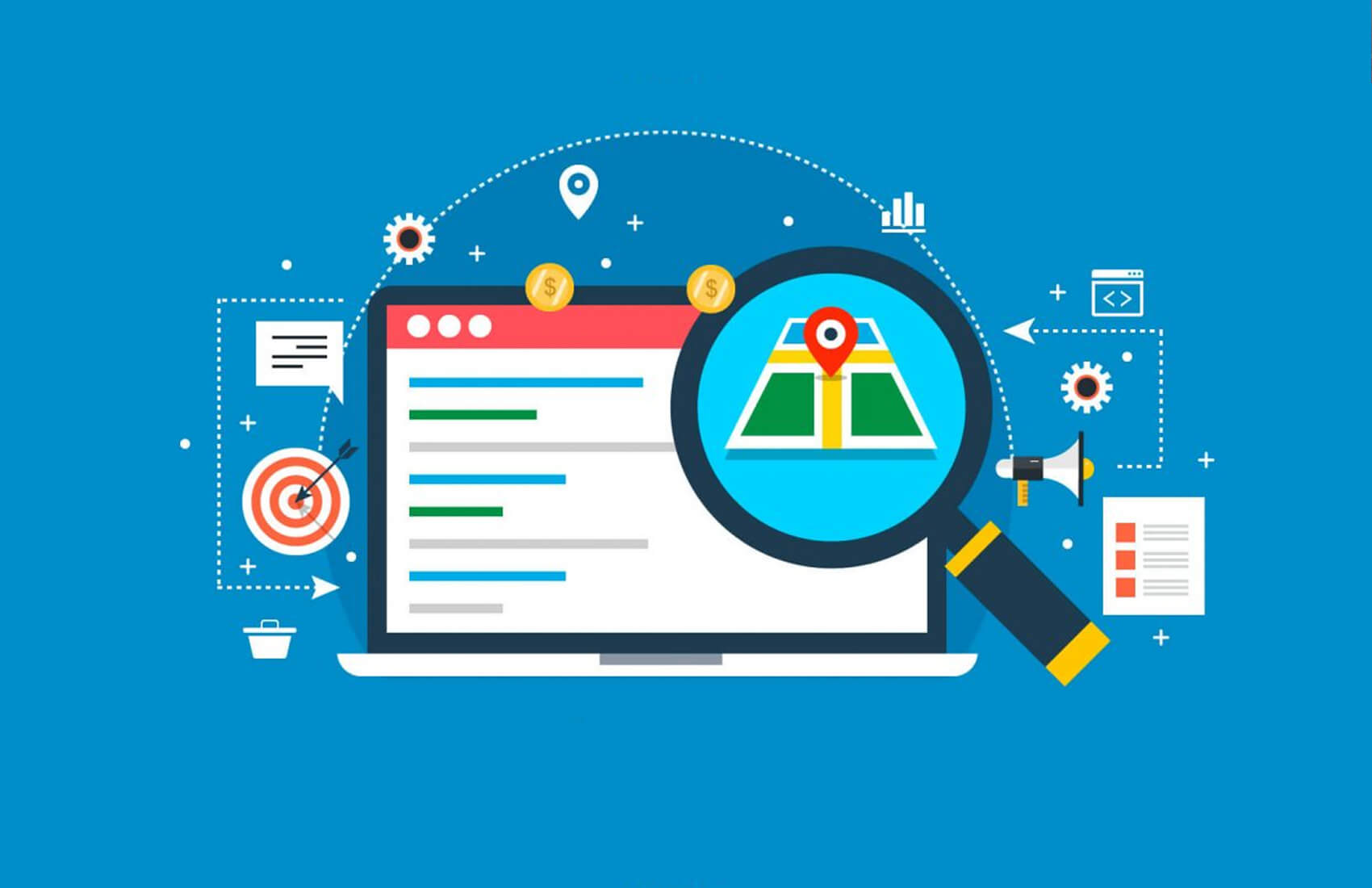
If you’ve ever wondered why one business consistently appears in Google’s local results while another struggles to get visibility, the answer lies in local search ranking factors.
- What Are Local Search Ranking Factors?
- How Local Search Rankings Differ from Traditional SEO
- How Google Ranks Local Businesses
- The Three Core Local Search Ranking Factors
- Google Business Profile Ranking Factors
- Reviews as a Local Search Ranking Factor
- Website Signals That Affect Local Rankings
- NAP Consistency as a Local Ranking Factor
- Backlinks and Local Authority Signals
- Behavioral Signals in Local SEO
- Mobile Optimization as a Local Ranking Factor
- Local Content as a Ranking Factor
- Local Schema and Structured Data
- Spam Fighting and Trust Signals
- Local Search Ranking Factors for Service Area Businesses
- Local Search Ranking Factors for Multi-Location Businesses
- Which Local Ranking Factors Matter Most? (Priority Guide)
- Common Myths About Local Search Ranking Factors
- How to Improve Local Rankings Step by Step
- Local Search Ranking Factors Checklist
- How Long Do Local Ranking Factors Take to Work?
- Frequently Asked Questions
Local SEO is not the same as traditional SEO. You can have a well-designed website, great content, and even backlinks — yet still fail to rank in Google Maps or the Local Pack. That’s because Google uses a different set of signals to rank local businesses.
Understanding local search ranking factors is crucial for any business that depends on:


- Phone calls
- Walk-in customers
- Local leads
- Service-based enquiries
In this guide, we’ll break down what actually influences local rankings, how Google evaluates businesses, and where you should focus your efforts to improve visibility — without chasing myths or wasting time.
What Are Local Search Ranking Factors?
Local search ranking factors are the signals Google uses to decide which businesses appear in local search results, including:
- Google Maps
- The Local Pack (top 3 map results)
- Localised organic results
These factors help Google answer one core question:

“Which business is the best local match for this user, right now?”
Unlike traditional SEO, local ranking factors are location-dependent, intent-driven, and often dynamic based on where the user is searching from.
How Local Search Rankings Differ from Traditional SEO
Traditional SEO focuses on:


- Content depth
- Backlinks
- Domain authority
- Keyword optimisation
Local SEO adds an extra layer:
- Physical or service location
- Proximity to the searcher
- Trust and real-world signals
- Business reputation
That’s why a small local business can outrank a national brand in local results.
How Google Ranks Local Businesses
Google has publicly confirmed that local rankings are primarily influenced by three core pillars:
- Proximity
- Relevance
- Prominence
Every local search result is evaluated through these lenses.
The Three Core Local Search Ranking Factors
1. Proximity
Proximity refers to how close a business is to the user performing the search.
For example:
- A user searching “dentist near me” will see results closest to their current location
- Rankings may change block by block or suburb by suburb
Important truth:
You cannot directly control proximity.
However, proximity does not override relevance and prominence entirely. A slightly farther business with stronger signals can still rank higher.
2. Relevance
Relevance measures how well your business matches the search query.
Google determines relevance using:
- Business categories
- Services listed
- Business description
- Website content
- Keywords used naturally
- User intent match
Relevance is fully optimisable and one of the most important ranking factors you can control.
3. Prominence
Prominence reflects how well-known, trusted, and authoritative your business is — both online and offline.
Prominence signals include:
- Reviews and ratings
- Brand mentions
- Backlinks
- Business age
- Online engagement
Prominence is often what separates businesses competing in the same area.
Google Business Profile Ranking Factors
Your Google Business Profile (GBP) is the single most influential asset in local SEO.
Google relies heavily on GBP data to rank businesses in Maps and the Local Pack.
Profile Completeness
A fully completed profile sends stronger trust and relevance signals.
This includes:
- Accurate business name
- Correct address or service area
- Phone number
- Website link
- Business hours
- Services or products
- Photos
Incomplete profiles almost always underperform.
Business Categories
Categories are one of the strongest local ranking factors.
- The primary category determines your main visibility
- Secondary categories expand reach
Choosing the wrong category can completely block rankings, even if everything else is correct.
Services and Products
Listing services helps Google understand:
- What you do
- Which searches you’re relevant for
- Whether you match user intent
Well-written service listings improve relevance significantly.
Business Description
While the description does not directly boost rankings, it helps with:
- Context
- Trust
- Relevance confirmation
Descriptions should be clear, accurate, and naturally written.
Photos and Media Activity
Regular photo uploads signal:
- Business legitimacy
- Engagement
- Freshness
Active profiles often outperform inactive ones, even with similar reviews.
Posts and Engagement
Google Business Profile posts:
- Keep the profile active
- Increase user interaction
- Support prominence indirectly
They don’t directly rank you higher but improve engagement signals.
Reviews as a Local Search Ranking Factor
Reviews are one of the most powerful prominence signals in local SEO.
Review Quantity vs Quality
Google looks at:
- Number of reviews
- Overall rating
- Review consistency over time
A steady flow of genuine reviews is better than a sudden spike.
Review Velocity and Freshness
Recent reviews matter more than old ones.
Fresh reviews signal:
- Active business
- Ongoing customer satisfaction
Keywords in Reviews
When customers naturally mention services or locations in reviews, it reinforces relevance.
This should happen organically — never force it.
Responding to Reviews
Replying to reviews:
- Builds trust
- Encourages engagement
- Signals active management
Ignoring reviews, especially negative ones, harms trust.
Website Signals That Affect Local Rankings
Although GBP is dominant, your website still plays an important supporting role.
On-Page Local SEO
Key elements include:
- Location-based title tags
- Clear service descriptions
- Local keyword usage (natural)
- Well-structured headings
Your website should clearly answer:
Who do you serve, and where?
Location-Focused Content
Pages targeting:
- Service + city
- Service + area
help reinforce relevance.
Avoid thin or duplicate location pages.
Contact Page Optimization
A strong contact page includes:
- Business name
- Address or service area
- Phone number
- Business hours
- Embedded map (if applicable)
This strengthens local trust signals.
Internal Linking for Local Relevance
Internal links help search engines:
- Discover important pages
- Understand location relevance
- Distribute authority
Local SEO benefits from a clean internal structure.
NAP Consistency as a Local Ranking Factor
NAP stands for:
- Name
- Address
- Phone number
Consistency across the web is critical.
Why NAP Consistency Matters
Inconsistent information creates:
- Confusion
- Trust issues
- Ranking instability
Google cross-checks your business details across multiple sources.
Common NAP Mistakes
- Different phone numbers on listings
- Slight address variations
- Old business names
- Duplicate profiles
Fixing NAP inconsistencies often leads to noticeable ranking improvements.
Backlinks and Local Authority Signals
Backlinks still matter in local SEO — but relevance matters more than quantity.
Local Backlinks
Links from:
- Local news sites
- Community websites
- Local blogs
- Business associations
carry more weight than generic links.
Brand Mentions
Even unlinked mentions:
- Increase prominence
- Strengthen brand authority
Local visibility grows with local recognition.
Behavioral Signals in Local SEO
Google observes how users interact with your listing.
These signals include:
- Click-through rate
- Phone calls
- Direction requests
- Time spent engaging
High engagement suggests relevance and usefulness.
Mobile Optimization as a Local Ranking Factor
Most local searches happen on mobile.
Mobile optimisation affects:
- Rankings
- User satisfaction
- Conversions
Key Mobile Signals
- Fast loading speed
- Easy navigation
- Click-to-call buttons
- Simple layouts
Poor mobile experience hurts local visibility.
Local Content as a Ranking Factor
Content still matters — but locally.
Effective Local Content Includes
- Service pages
- Location-specific guides
- FAQs addressing local needs
- Community-focused content
Avoid fluff. Focus on usefulness.
Local Schema and Structured Data
Schema helps search engines understand:
- Business type
- Location
- Contact details
- Services
While schema doesn’t guarantee rankings, it improves clarity and consistency.
Spam Fighting and Trust Signals
Google actively filters spam in local results.
Practices that hurt rankings include:
- Keyword stuffing business names
- Fake addresses
- Duplicate listings
- Fake reviews
Trust and guideline compliance are essential for long-term stability.
Local Search Ranking Factors for Service Area Businesses
Service-area businesses can rank without a storefront.
Key factors include:
- Accurate service areas
- Strong reviews
- Clear service relevance
- Trust and prominence
Hiding your address correctly is better than using a fake one.
Local Search Ranking Factors for Multi-Location Businesses
Multi-location businesses must:
- Maintain separate GBP profiles
- Create unique location pages
- Keep branding consistent
- Avoid content duplication
Poor structure leads to cannibalisation and ranking confusion.
Which Local Ranking Factors Matter Most? (Priority Guide)
High Impact
- Google Business Profile optimisation
- Correct categories
- Reviews
- NAP consistency
Medium Impact
- Website local optimisation
- Local backlinks
- Mobile performance
Lower Impact
- Posts frequency
- Schema
- Advanced technical tweaks
Start with high-impact factors first.
Common Myths About Local Search Ranking Factors
- “Adding more keywords boosts rankings” → ❌
- “Citations alone are enough” → ❌
- “Near me keywords must be added” → ❌
- “Reviews don’t matter” → ❌
Local SEO rewards accuracy, trust, and relevance, not tricks.
How to Improve Local Rankings Step by Step
- Optimise Google Business Profile
- Fix NAP inconsistencies
- Improve reviews and responses
- Optimise website for local relevance
- Build local authority signals
- Improve mobile experience
- Monitor and refine regularly
Consistency beats shortcuts.
Local Search Ranking Factors Checklist
- GBP fully optimised
- Correct categories selected
- Reviews actively managed
- Website locally optimised
- NAP consistent everywhere
- Mobile-friendly experience
- Authority and trust signals present
How Long Do Local Ranking Factors Take to Work?
- Small fixes: days to weeks
- Competitive improvements: weeks to months
- Long-term dominance: ongoing effort
Local SEO is cumulative, not instant.
Frequently Asked Questions
What is the most important local ranking factor?
Google Business Profile optimisation.
Can I rank without reviews?
Possible, but difficult in competitive areas.
Does proximity matter more than SEO?
Proximity matters, but relevance and prominence can outweigh it.
Do backlinks still matter for local SEO?
Yes, especially local and relevant ones.
Can beginners handle local SEO?
Yes, with a structured approach.
Local search rankings are not random. They are driven by clear, measurable factors — proximity, relevance, and prominence — supported by trust, consistency, and real-world signals.
Businesses that understand and prioritise the right local search ranking factors don’t just rank better. They attract higher-quality customers, earn trust faster, and build sustainable local visibility.
Focus on doing the fundamentals exceptionally well, stay consistent, and local rankings will follow.