




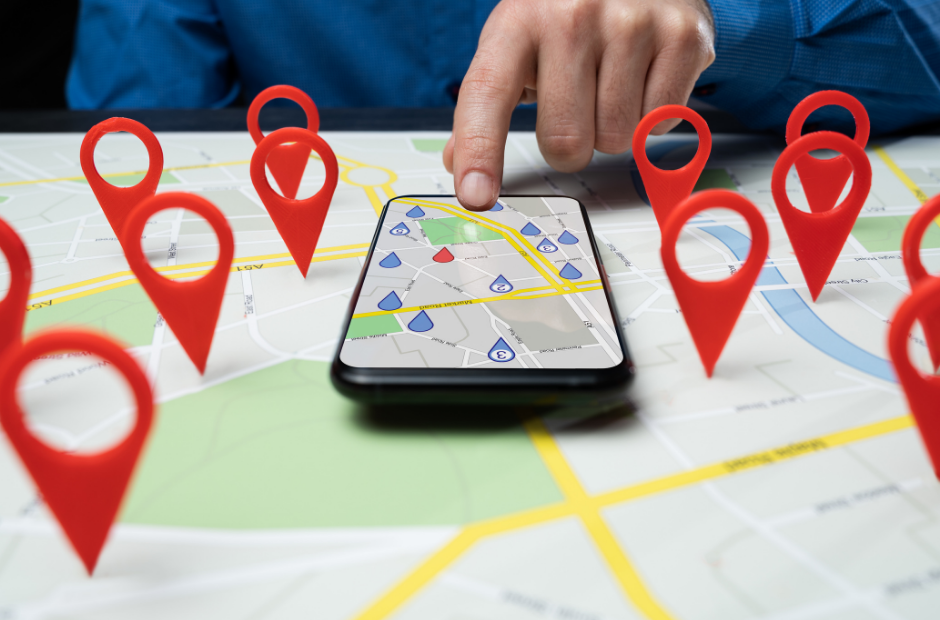
When people search for a local service on Google, they rarely scroll far. Their eyes go straight to the Map Pack — the three business listings shown with a map at the top of the page.
- What Is the Google Map Pack?
- Why Map Pack Ranking Is Critical for Local Businesses
- How Google Determines Map Pack Rankings
- The 3 Core Map Pack Ranking Factors
- Google Business Profile Optimization for Map Pack Ranking
- Reviews and Ratings as Map Pack Ranking Factors
- Website SEO Signals That Influence Map Pack Rankings
- Local Citations and Map Pack Ranking
- Behavioral Signals in Map Pack Rankings
- Mobile Optimization and Map Pack Ranking
- Map Pack Ranking for Service Area Businesses
- Map Pack Ranking for Multi-Location Businesses
- Common Map Pack Ranking Mistakes
- Step-by-Step Strategy to Rank in the Map Pack
- Map Pack Ranking Checklist
- How Long Does It Take to Rank in the Map Pack?
- Frequently Asked Questions
If your business appears there, you get:
- More phone calls
- More direction requests
- More walk-in customers
- More high-intent leads
If you don’t appear there, you’re competing for scraps.

That’s why map pack ranking is one of the most important goals in local SEO. Ranking in the Google Map Pack often delivers better results than ranking #1 organically — especially for service-based and local businesses.
In this guide, you’ll learn exactly what the Map Pack is, how Google decides who appears in it, and what you need to do to rank consistently in the top 3 Map Pack results — without risky tactics or shortcuts.
What Is the Google Map Pack?
The Google Map Pack (also called the Local Pack or 3-Pack) is the section of Google Search results that shows:

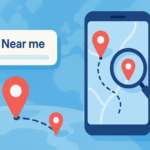
- A map
- Three local business listings
- Business name, rating, reviews, address, and phone number
It usually appears when Google detects local intent, such as:
- “electrician near me”
- “dentist in Sydney”
- “SEO agency nearby”
- “car service open now”
The Map Pack is different from:

- Google Maps (the app or full map results)
- Organic website listings below the map
Map Pack results are powered primarily by Google Business Profiles, not just websites.
Why Map Pack Ranking Is Critical for Local Businesses
Ranking in the Map Pack isn’t just about visibility — it’s about revenue.
1. The Map Pack Gets the Highest Clicks
Most users interact with the Map Pack before they even look at organic results. Calls and direction requests happen directly from the listing.
2. Map Pack Traffic Has High Intent
People searching locally are often ready to:
- Call immediately
- Visit a store
- Book a service
Map Pack traffic converts better than general organic traffic.
3. You Don’t Need a Big Website to Win
Unlike traditional SEO, Map Pack ranking favours:
- Proximity
- Local relevance
- Trust and reputation
Small businesses can outrank large brands locally.
How Google Determines Map Pack Rankings
Google has clearly stated that Map Pack rankings are based on three core factors:
- Proximity
- Relevance
- Prominence
Every Map Pack result is evaluated through these three lenses.
The 3 Core Map Pack Ranking Factors
1. Proximity
Proximity measures how close your business is to the searcher.
Important points:
- Proximity is dynamic and user-specific
- Rankings can change street by street
- You cannot directly optimise proximity
However, proximity does not automatically guarantee the top position. A slightly farther business with stronger relevance and prominence can still outrank closer competitors.
2. Relevance
Relevance determines how well your business matches the search query.
Google evaluates relevance using:
- Business categories
- Services listed
- Business description
- Website content
- User intent match
Relevance is one of the most optimisable Map Pack ranking factors.
3. Prominence
Prominence reflects how well-known and trusted your business is.
Prominence signals include:
- Reviews and ratings
- Review freshness
- Brand mentions
- Citations
- Online engagement
Prominence often decides who wins when multiple businesses are nearby and relevant.
Google Business Profile Optimization for Map Pack Ranking
Your Google Business Profile (GBP) is the single most important asset for Map Pack rankings.
If your GBP is weak, no amount of website SEO will compensate.
Profile Completeness Matters
Fully completed profiles perform better.
Make sure you have:
- Accurate business name
- Correct address or service area
- Local phone number
- Website link
- Business hours
- Services or products
- High-quality photos
Incomplete profiles send weak trust signals.
Business Categories (Critical Factor)
Your primary category strongly influences which Map Pack searches you appear for.
Best practices:
- Choose the most specific primary category
- Add relevant secondary categories
- Avoid changing categories frequently
Wrong categories are one of the most common reasons businesses fail to rank.
Services and Products
Adding services helps Google understand:
- What you offer
- Which searches you’re relevant for
Service descriptions should be:
- Clear
- Accurate
- User-focused
- Free of keyword stuffing
Photos and Activity Signals
Active profiles rank better than inactive ones.
Regularly upload:
- Real photos (not stock images)
- Work samples
- Interior or exterior shots
- Team photos
Activity signals show that the business is legitimate and operational.
Posts and Engagement
GBP posts don’t directly boost rankings, but they:
- Increase engagement
- Improve click-through rates
- Signal profile activity
Posting weekly is a good baseline.
Reviews and Ratings as Map Pack Ranking Factors
Reviews are one of the strongest prominence signals in Map Pack rankings.
Review Quantity and Quality
Google looks at:
- Number of reviews
- Average rating
- Consistency over time
A steady flow of genuine reviews is better than sudden spikes.
Review Freshness
Recent reviews matter more than old ones.
Fresh reviews signal:
- Ongoing business activity
- Continued customer satisfaction
Responding to Reviews
Responding to reviews:
- Builds trust
- Encourages engagement
- Signals active management
Ignoring reviews, especially negative ones, weakens credibility.
Website SEO Signals That Influence Map Pack Rankings
While GBP dominates, your website still plays an important supporting role.
Local Landing Pages
Your website should clearly show:
- What services you offer
- Where you offer them
Service + location pages help reinforce relevance.
Avoid thin or duplicated location pages.
Title Tags and Headings
Use natural, localised titles such as:
- “Emergency Plumber in Brisbane”
- “SEO Services in Parramatta”
Avoid stuffing “near me” everywhere.
Contact Page Optimization
A strong contact page includes:
- Business name
- Address or service area
- Phone number
- Business hours
- Embedded Google Map (if applicable)
This strengthens local trust signals.
Internal Linking
Internal links help search engines:
- Discover important pages
- Understand service and location relationships
Good structure supports both organic and Map Pack rankings.
Local Citations and Map Pack Ranking
Local citations support trust and verification.
Citations help Google confirm:
- Your business details
- Your location
- Your legitimacy
NAP consistency across the web is critical.
Citations alone won’t rank you in the Map Pack, but weak or inconsistent citations can hold rankings back.
Behavioral Signals in Map Pack Rankings
Google pays attention to how users interact with your listing.
Behavioral signals include:
- Click-through rate
- Phone calls
- Direction requests
- Engagement with photos and posts
Listings that attract more interaction often perform better.
Mobile Optimization and Map Pack Ranking
Most Map Pack searches happen on mobile devices.
Mobile experience affects:
- Rankings
- User behaviour
- Conversions
Key Mobile Factors
- Fast page loading
- Click-to-call buttons
- Easy navigation
- No intrusive pop-ups
If mobile users struggle, Google notices.
Map Pack Ranking for Service Area Businesses
Service-area businesses can rank in the Map Pack without a storefront.
Key requirements:
- Correct service area setup
- Address hidden if customers don’t visit
- Strong reviews
- Clear service relevance
Using fake addresses is a major violation and can lead to suspension.
Map Pack Ranking for Multi-Location Businesses
Multi-location businesses need a structured approach.
Best practices:
- Separate Google Business Profile for each location
- Unique phone numbers
- Location-specific website pages
- Consistent branding
Avoid duplication and internal competition.
Common Map Pack Ranking Mistakes
Avoid these errors:
- Keyword stuffing business names
- Using fake or virtual addresses
- Ignoring reviews
- Inconsistent NAP details
- Inactive Google Business Profiles
- Over-optimising categories
These mistakes often prevent businesses from ever reaching the top 3.
Step-by-Step Strategy to Rank in the Map Pack
Here’s a proven approach:
- Fully optimise Google Business Profile
- Choose correct categories and services
- Improve reviews and responses
- Optimise website for local relevance
- Build clean citations and local trust
- Improve mobile experience
- Stay active and monitor results
Consistency beats shortcuts every time.
Map Pack Ranking Checklist
- GBP verified and complete
- Correct primary category
- Services added and accurate
- Reviews actively managed
- Website locally optimised
- NAP consistent everywhere
- Mobile-friendly experience
How Long Does It Take to Rank in the Map Pack?
Timelines depend on competition.
- Low competition: days to weeks
- Medium competition: weeks
- High competition: months
Small improvements can produce visible gains quickly, especially in under-optimised markets.
Frequently Asked Questions
Can I rank in the Map Pack without a website?
Yes, but a website strengthens relevance and trust.
Do backlinks matter for Map Pack rankings?
Yes, especially local and relevant backlinks.
Can new businesses rank in the Map Pack?
Yes, if relevance and optimisation are strong.
How often does the Map Pack update?
Continuously — rankings can change daily.
Can beginners rank in the Map Pack?
Yes, Map Pack SEO is more accessible than traditional SEO.
Map Pack ranking is not about tricks or hacks. It’s about being the most relevant, trustworthy, and active local business for a specific searcher at a specific location.
When your Google Business Profile is fully optimised, your reviews are strong, your information is consistent, and your website supports local intent, the Map Pack becomes one of the most powerful growth channels available.
If local customers matter to your business, Map Pack SEO is not optional — it’s essential.