


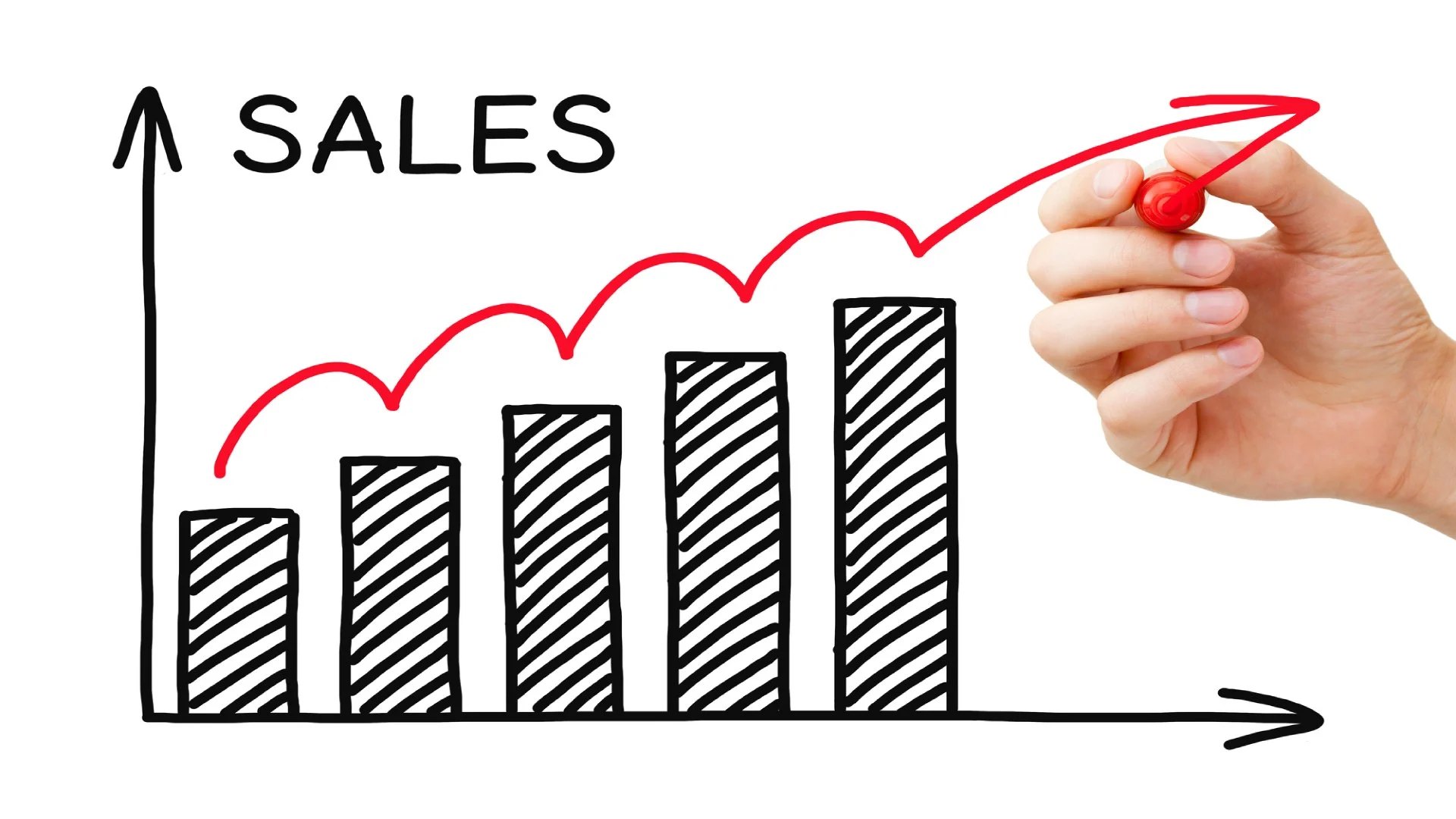
Many ecommerce stores believe they have an SEO problem when, in reality, they have a sales alignment problem. They rank for keywords, attract visitors, and even see traffic growing month after month—but sales remain flat. This disconnect happens because organic traffic and organic sales are not the same thing.
- What Does “Increasing Organic Sales” Really Mean in Ecommerce?
- Why Organic Sales Are Critical for Long-Term Ecommerce Growth
- Understanding the Ecommerce Organic Sales Funnel
- Buyer-Intent Keyword Strategy for Increasing Organic Sales
- Optimising Category Pages to Increase Organic Sales
- Product Page Optimisation for Higher Organic Conversions
- Ecommerce SEO Foundations That Directly Impact Sales
- Content That Drives Organic Ecommerce Sales (Not Just Traffic)
- Improving Click-Through Rates from Organic Search
- Mobile Experience and Its Impact on Organic Sales
- Page Speed Optimization for Organic Sales Growth
- Trust Signals That Increase Organic Ecommerce Sales
- Reducing Friction in the Organic Buying Journey
- Using Internal Linking to Push Organic Sales
- Ecommerce CRO + SEO: The Missing Link
- Organic Sales Strategy for New Ecommerce Stores
- Organic Sales Strategy for Established Ecommerce Stores
- Common Mistakes That Prevent Organic Sales Growth
- Step-by-Step Framework to Increase Organic Sales in Ecommerce
- How Long Does It Take to Increase Organic Ecommerce Sales?
Increasing organic sales in ecommerce is not just about ranking higher on Google. It’s about attracting the right kind of traffic, guiding users smoothly through the buying journey, and removing friction that prevents conversion. SEO brings people to your store, but strategy, intent, trust, and user experience turn those visitors into customers.
In this guide, we’ll break down how ecommerce stores can consistently increase organic sales in ecommerce, not just traffic, by aligning SEO, content, UX, CRO, and trust signals into one cohesive system.


What Does “Increasing Organic Sales” Really Mean in Ecommerce?
Increasing organic sales means growing the revenue generated from unpaid search traffic, not just increasing the number of visitors coming from Google. Many stores celebrate traffic growth while ignoring the fact that conversions remain unchanged or even decline.
Organic sales growth happens when the pages ranking in search results match buyer intent. A store ranking for informational keywords may attract thousands of visitors who are not ready to buy. In contrast, a store ranking for commercial and transactional keywords may receive fewer visitors but generate significantly more revenue.
True organic sales growth requires understanding the entire organic sales funnel, not just rankings. It involves attracting the right users, presenting the right products, and guiding them toward confident purchase decisions.

Why Organic Sales Are Critical for Long-Term Ecommerce Growth
Paid advertising can drive immediate results, but it comes with rising costs, intense competition, and shrinking margins. Organic sales, on the other hand, create a compounding growth effect that strengthens over time.
When ecommerce stores increase organic sales:
- Customer acquisition costs decrease
- Revenue becomes more predictable
- Profit margins improve
- Dependence on ads reduces
Organic sales also improve brand trust. Users often perceive organic search results as more credible than ads. When your store consistently appears for buyer-intent searches, it builds long-term authority in your niche.
From a business perspective, organic sales significantly increase store valuation, making SEO one of the most valuable long-term investments an ecommerce business can make.
Understanding the Ecommerce Organic Sales Funnel
Most ecommerce stores focus too heavily on the wrong stage of the funnel. To increase organic sales, you must understand how users move from search to purchase.
The awareness stage includes informational searches such as “how to choose running shoes” or “best skincare ingredients for acne.” These users are not ready to buy yet, but they are researching.
The consideration stage includes commercial searches like “best running shoes for flat feet” or “ceramide vs retinol skincare.” Users are comparing options and narrowing choices.
The decision stage includes transactional searches such as “buy Nike running shoes online” or “ceramide moisturiser price.” These users are ready to purchase.
Organic sales grow fastest when ecommerce stores focus heavily on consideration and decision stage keywords, while still supporting awareness-stage content strategically.
Buyer-Intent Keyword Strategy for Increasing Organic Sales
Not all keywords are equal. Some bring traffic, others bring money.
Buyer-intent keywords indicate readiness to purchase. These often include modifiers such as “buy,” “price,” “best,” “discount,” “review,” or specific product names and attributes.
Long-tail buyer keywords are especially powerful. While they may have lower search volume, they attract users who know exactly what they want. These users convert at much higher rates than broad, generic searches.
To increase organic ecommerce sales, keyword research must prioritise:
- Transactional and commercial intent
- Product and category relevance
- Long-tail specificity
- Clear mapping to pages
Traffic without intent does not produce sales.
Optimising Category Pages to Increase Organic Sales
Category pages are often the highest-revenue pages on ecommerce sites, yet they are frequently under-optimised. Many stores rely on product grids alone, which provide little context to search engines or users.
Well-optimised category pages do more than rank—they guide decision-making. Descriptive content explains what the products are, who they’re for, and how to choose between options. This reduces uncertainty and increases conversions.
Strong category page optimisation combines:
- SEO-friendly descriptive content
- Clear headings and structure
- Logical internal linking to products
- User-focused filters and navigation
When category pages are optimised for both intent and usability, they become powerful drivers of organic sales.
Product Page Optimisation for Higher Organic Conversions
Many product pages rank but fail to convert because they lack clarity, trust, or persuasion. Organic users often arrive with high intent, but hesitation kills conversions.
Product descriptions should not just list features—they should solve problems and answer buyer questions. Explaining benefits, use cases, and outcomes helps users imagine ownership and reduces friction.
Trust signals are critical for organic sales. Reviews, ratings, clear policies, and transparent pricing reassure users who have not interacted with your brand before.
Visual presentation also plays a major role. High-quality images, zoom functionality, and mobile-friendly layouts significantly influence organic conversion rates.
Ecommerce SEO Foundations That Directly Impact Sales
SEO foundations influence how easily users can find and buy products. Poor structure, broken links, or confusing navigation disrupt the buying journey and reduce sales.
Clean site architecture ensures users and search engines can move logically from categories to products. Clear internal linking helps guide users toward high-value or high-margin products.
Technical issues such as duplicate content, crawl errors, or slow pages not only affect rankings but also damage user trust. Fixing foundational SEO issues often leads to immediate improvements in organic sales.
Content That Drives Organic Ecommerce Sales (Not Just Traffic)
Content should support sales, not distract from them. Many ecommerce blogs generate traffic that never converts because content is disconnected from products.
Revenue-focused content includes:
- Buying guides
- Product comparisons
- Use-case articles
- FAQs and troubleshooting content
This type of content helps users move from research to purchase by answering objections and linking directly to relevant categories and products.
Strategic internal linking from content to money pages transforms informational traffic into sales opportunities.
Improving Click-Through Rates from Organic Search
Ranking alone is not enough. If users don’t click your listing, you won’t get sales.
Optimised title tags and meta descriptions significantly influence click-through rates. Titles should reflect buyer intent and communicate value clearly. Meta descriptions should highlight benefits, offers, or differentiators.
Rich results, such as star ratings and price snippets, build trust and attract attention. Improving CTR increases traffic quality and indirectly supports higher organic sales.
Mobile Experience and Its Impact on Organic Sales
Most organic ecommerce traffic now comes from mobile devices. A poor mobile experience directly reduces organic sales.
Mobile users expect fast loading, easy navigation, and simple checkout. If pages are slow, buttons are hard to tap, or forms are difficult to complete, users leave—even if they arrived with high intent.
Mobile optimisation improves both SEO performance and conversion rates. For organic sales growth, mobile experience is not optional—it’s essential.
Page Speed Optimization for Organic Sales Growth
Speed affects both rankings and revenue. Even small delays in loading time can significantly reduce conversions.
Common speed issues include heavy images, excessive scripts, slow hosting, and bloated themes. Optimising these elements improves user experience and reduces bounce rates.
Core Web Vitals play an increasing role in SEO, making speed optimisation a direct contributor to organic sales growth.
Trust Signals That Increase Organic Ecommerce Sales
Organic users often encounter your brand for the first time through search. Without trust signals, even interested buyers hesitate.
Reviews, ratings, clear return policies, shipping information, and transparent contact details all build confidence. An informative About page and visible brand identity also increase trust.
Trust is not a design element—it’s a conversion factor. Strong trust signals directly increase organic sales.
Reducing Friction in the Organic Buying Journey
Friction kills organic sales. Common friction points include confusing navigation, poor search functionality, unclear pricing, and complicated checkout processes.
Reducing friction means making it easy for users to:
- Find products
- Understand value
- Compare options
- Complete purchases
Simplifying the journey from search to checkout dramatically improves organic conversion rates.
Using Internal Linking to Push Organic Sales
Internal linking influences both SEO and user behaviour. Linking from high-traffic pages to high-margin products directs organic users toward revenue-generating pages.
Strategic internal linking also prevents orphaned pages and improves crawl efficiency. When done correctly, internal links act as conversion pathways, not just SEO signals.
Ecommerce CRO + SEO: The Missing Link
SEO brings users; CRO converts them. Many ecommerce stores focus heavily on SEO but neglect conversion optimisation.
Organic users behave differently from paid users. They often research more and need reassurance before buying. CRO improvements tailored to organic traffic—such as clearer messaging, trust badges, and simplified layouts—significantly increase sales.
SEO and CRO should work together as a single system, not separate efforts.
Organic Sales Strategy for New Ecommerce Stores
New stores often struggle with organic sales due to lack of authority and trust. Expecting immediate results leads to frustration.
New stores should focus on:
- Long-tail buyer keywords
- Niche categories
- Clear positioning
- Strong fundamentals
Early organic sales build momentum and trust, which compounds over time.
Organic Sales Strategy for Established Ecommerce Stores
Established stores often have traffic but underperform in sales. Auditing pages with high traffic but low conversions reveals intent mismatches and UX issues.
Optimising existing pages often produces faster revenue growth than creating new content. Improving alignment between keywords, pages, and user expectations is key.
Common Mistakes That Prevent Organic Sales Growth
Many ecommerce stores fail to increase organic sales because they:
- Chase traffic instead of buyers
- Ignore category and product UX
- Use thin or generic content
- Over-rely on paid ads
- Neglect mobile optimisation
Fixing these mistakes often unlocks immediate growth.
Step-by-Step Framework to Increase Organic Sales in Ecommerce
A proven framework includes:
- Identifying buyer-intent keywords
- Optimising category pages for revenue
- Improving product page conversions
- Fixing technical and UX friction
- Creating sales-supporting content
- Strengthening trust and authority
- Continuously testing and refining
This system aligns SEO with revenue, not vanity metrics.
How Long Does It Take to Increase Organic Ecommerce Sales?
Some improvements show results within weeks, especially when fixing intent mismatches or conversion issues. Larger gains usually take several months, depending on competition and execution quality.
Consistency compounds results. Organic sales growth accelerates over time when strategy remains focused and disciplined.
Increasing organic sales in ecommerce is not about tricks or shortcuts. It’s about alignment—between keywords and intent, content and conversions, SEO and user experience.
When your store attracts the right visitors, removes friction, builds trust, and guides users confidently toward purchase, organic traffic becomes a reliable and scalable revenue engine.
For ecommerce businesses seeking sustainable growth, organic sales are not just important—they are essential.