



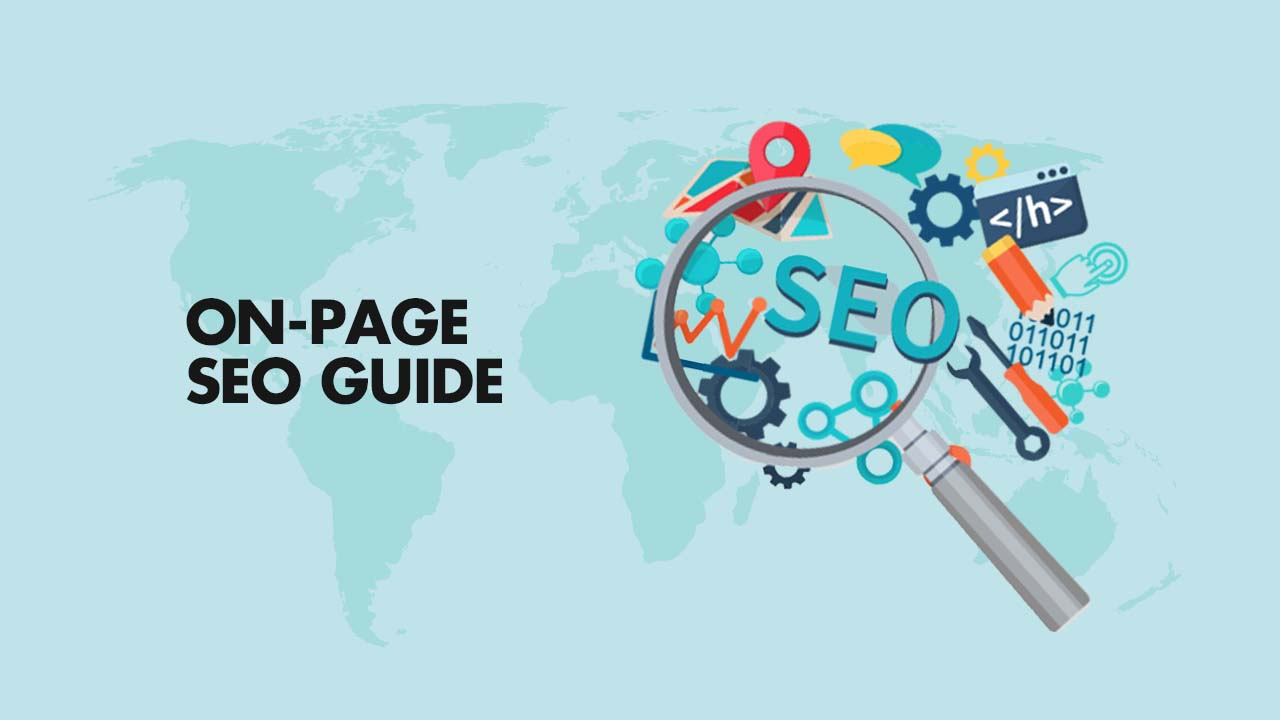
If you want your website pages to rank on Google, on-page SEO is the first thing you must get right. Many beginners jump straight into backlinks, tools, or advanced strategies, but without strong on-page SEO, all of that effort usually goes to waste.
- What Is On-Page SEO?
- Why On-Page SEO Is Important
- Core Elements of On-Page SEO
- Keyword Usage Basics in On-Page SEO
- Title Tag Optimisation (On-Page SEO Basic)
- Meta Description Basics
- URL Structure Basics
- Heading Tags (H1, H2, H3) Basics
- Content Optimisation Basics
- Image Optimisation (On-Page SEO Basics)
- Internal Linking Basics
- User Experience Signals in On-Page SEO
- Content Formatting for On-Page SEO
- On-Page SEO Checklist for Beginners
- Common On-Page SEO Mistakes Beginners Make
- On-Page SEO vs Technical SEO
- How Long Does On-Page SEO Take to Show Results?
- Can Beginners Do On-Page SEO Without Tools?
- Frequently Asked Questions
On-page SEO is the part of SEO that you have complete control over. It focuses on how your content is written, structured, and presented to both users and search engines. When done properly, on-page SEO helps Google clearly understand what your page is about and why it deserves to rank.
In this detailed guide, we’ll break down on-page SEO basics in simple language. You don’t need technical knowledge or expensive tools to follow this. By the end, you’ll know exactly how to optimise your pages correctly and avoid the most common beginner mistakes.
What Is On-Page SEO?
On-page SEO refers to the process of optimising individual web pages so they rank higher in search engines and attract relevant traffic. It includes everything you can control within your website pages.
This covers:
- Content quality
- Keyword usage
- Page titles and meta descriptions
- Headings and structure
- Internal linking
- Images and formatting
On-page SEO is different from off-page SEO, which focuses on backlinks and external signals. While both matter, on-page SEO is the foundation. Without it, even strong backlinks won’t deliver consistent results.
Why On-Page SEO Is Important
On-page SEO plays a crucial role in how search engines evaluate and rank your content.
Here’s why it matters so much:

- It helps search engines understand your page topic
- It improves relevance for target keywords
- It enhances user experience and readability
- It increases click-through rates from search results
- It allows beginners to improve rankings without backlinks
For beginners especially, on-page SEO is the fastest and safest way to improve visibility.
Core Elements of On-Page SEO
To understand on-page SEO basics, you must know its core components. Every well-optimised page includes the following elements working together:
- Clear keyword focus
- Search intent alignment
- SEO-friendly titles and descriptions
- Proper heading structure
- High-quality content
- Optimised images
- Logical internal linking
- Good user experience
Ignoring even one of these can weaken the entire page.
Keyword Usage Basics in On-Page SEO
Keywords are still important, but how you use them matters far more than how often you use them.
One Main Keyword Per Page
Each page should target one primary keyword. This keeps the page focused and prevents confusion for search engines.
Use Secondary and Semantic Keywords
Instead of repeating the same keyword again and again, include related terms naturally. This helps Google understand context and topic depth.
Natural Placement Matters
Your keyword should appear naturally in:
- Page title
- Headings
- Introduction
- Body content
- URL (when possible)
Keyword stuffing is one of the most common on-page SEO mistakes beginners make.
Title Tag Optimisation (On-Page SEO Basic)
The title tag is one of the most important on-page SEO factors.
What Is a Title Tag?
The title tag is the clickable headline that appears in search engine results. It tells users and search engines what the page is about.
Best Practices for Title Tags
- Include the main keyword
- Keep it clear and readable
- Make it compelling for users
- Avoid keyword stuffing
- Reflect the actual content of the page
A well-written title improves both rankings and click-through rates.
Meta Description Basics
Meta descriptions don’t directly affect rankings, but they strongly influence whether users click your result.
What Makes a Good Meta Description
- Clearly summarises the page
- Includes the main keyword naturally
- Focuses on user benefit
- Encourages clicks
- Avoids duplication
Think of the meta description as your page’s mini advertisement in search results.
URL Structure Basics
SEO-friendly URLs help both users and search engines.
Best Practices for URLs
- Keep URLs short and clean
- Use hyphens between words
- Include the main keyword
- Avoid unnecessary parameters or numbers
A good URL is readable, meaningful, and descriptive.
Heading Tags (H1, H2, H3) Basics
Headings help structure your content and improve readability.
H1 Tag
- Use only one H1 per page
- Include the main keyword
- Clearly describe the page topic
H2 and H3 Tags
- Break content into logical sections
- Help users scan the page
- Add context for search engines
Proper heading structure makes your content easier to understand and rank.
Content Optimisation Basics
Content is the heart of on-page SEO. Without strong content, optimisation won’t work.
Write for Search Intent
Before writing, understand why users are searching that keyword. Are they looking for information, guidance, or solutions?
Focus on Depth and Clarity
Your content should:
- Fully answer the user’s query
- Provide clear explanations
- Avoid unnecessary fluff
- Stay relevant throughout
Long content only works when it provides real value.
Image Optimisation (On-Page SEO Basics)
Images enhance user experience, but unoptimised images can hurt SEO.
Image Optimisation Basics
- Use descriptive file names
- Add alt text to describe images
- Compress images for faster loading
- Avoid decorative images that add no value
Image optimisation improves accessibility, speed, and overall page performance.
Internal Linking Basics
Internal links connect pages within your website.
Why Internal Linking Matters
- Helps search engines discover pages
- Distributes SEO value across your site
- Improves navigation and user experience
- Strengthens topical authority
Best Practices
- Link only where relevant
- Use descriptive anchor text
- Avoid excessive linking
Internal links should feel natural and helpful, not forced.
User Experience Signals in On-Page SEO
Search engines increasingly prioritise user experience.
Important UX factors include:
- Page readability
- Mobile responsiveness
- Page speed
- Logical layout
- Easy navigation
A page that users enjoy spending time on is more likely to rank well.
Content Formatting for On-Page SEO
Formatting plays a bigger role than many beginners realise.
Good Formatting Includes
- Clear paragraphs
- Logical spacing
- Headings for sections
- Minimal clutter
Well-formatted content is easier to read, scan, and understand, which improves engagement.
On-Page SEO Checklist for Beginners
Before publishing any page, check the following:
- Main keyword identified
- Title tag optimised
- Meta description written
- Proper heading structure used
- Content matches search intent
- Keywords used naturally
- Images optimised
- Internal links added
- Page readable on mobile
This checklist alone can significantly improve on-page SEO performance.
Common On-Page SEO Mistakes Beginners Make
Avoid these mistakes if you want consistent results:
- Keyword stuffing
- Over-optimisation
- Duplicate content
- Ignoring search intent
- Writing for search engines instead of users
Most ranking problems come from these basic errors.
On-Page SEO vs Technical SEO
On-page SEO focuses on content and structure, while technical SEO focuses on site performance and crawlability.
Beginners should prioritise on-page SEO first because:
- It’s easier to learn
- It gives faster improvements
- It builds strong foundations
Technical SEO can be improved gradually later.
How Long Does On-Page SEO Take to Show Results?
On-page SEO improvements can show results faster than off-page SEO.
Typically:
- Minor improvements: a few weeks
- Competitive pages: a few months
- New sites: longer timelines
Consistency and quality matter more than speed.
Can Beginners Do On-Page SEO Without Tools?
Yes. On-page SEO basics do not require paid tools.
Beginners can:
- Use common sense and clarity
- Study top-ranking pages
- Focus on content quality
- Follow best practices
Tools can help later, but they are not mandatory at the start.
Frequently Asked Questions
Is on-page SEO enough to rank?
For low-competition and long-tail keywords, yes. For competitive niches, it’s the foundation.
How many keywords should I use per page?
One main keyword and several related terms.
Does content length matter?
Only if it adds value. Quality matters more than word count.
Can I over-optimise on-page SEO?
Yes. Over-optimisation often harms rankings.
Is on-page SEO still relevant today?
Absolutely. It remains one of the strongest ranking factors.
On-page SEO is where successful SEO begins. It doesn’t require tricks, shortcuts, or advanced skills — only clarity, structure, and quality content.
If you master on-page SEO basics, you build pages that search engines understand and users trust. Everything else in SEO works better when on-page optimisation is done right.
Focus on helping users first, optimise thoughtfully, and results will follow.